Quality isn't a screenshot.
It's certainty from harvest to delivery.

We don't just paste slides onto a dark background. Instead we show what's real — testing, fresh-lock, cold-chain, certification. Every layer serves a verifiable procurement decision.

01 / Testing

Data, not gut feel.

Our testing logic is built around α-acid, β-acid, aroma profile, and batch consistency. For large breweries and craft customers alike, the key question isn't "does it look fresh" — it's whether data can explain the flavour and dosing.

α-Acid / β-AcidBitterness & varietal character
Aroma ProfileFlavour expression & differentiation
Batch TraceabilityHarvest, processing, storage records
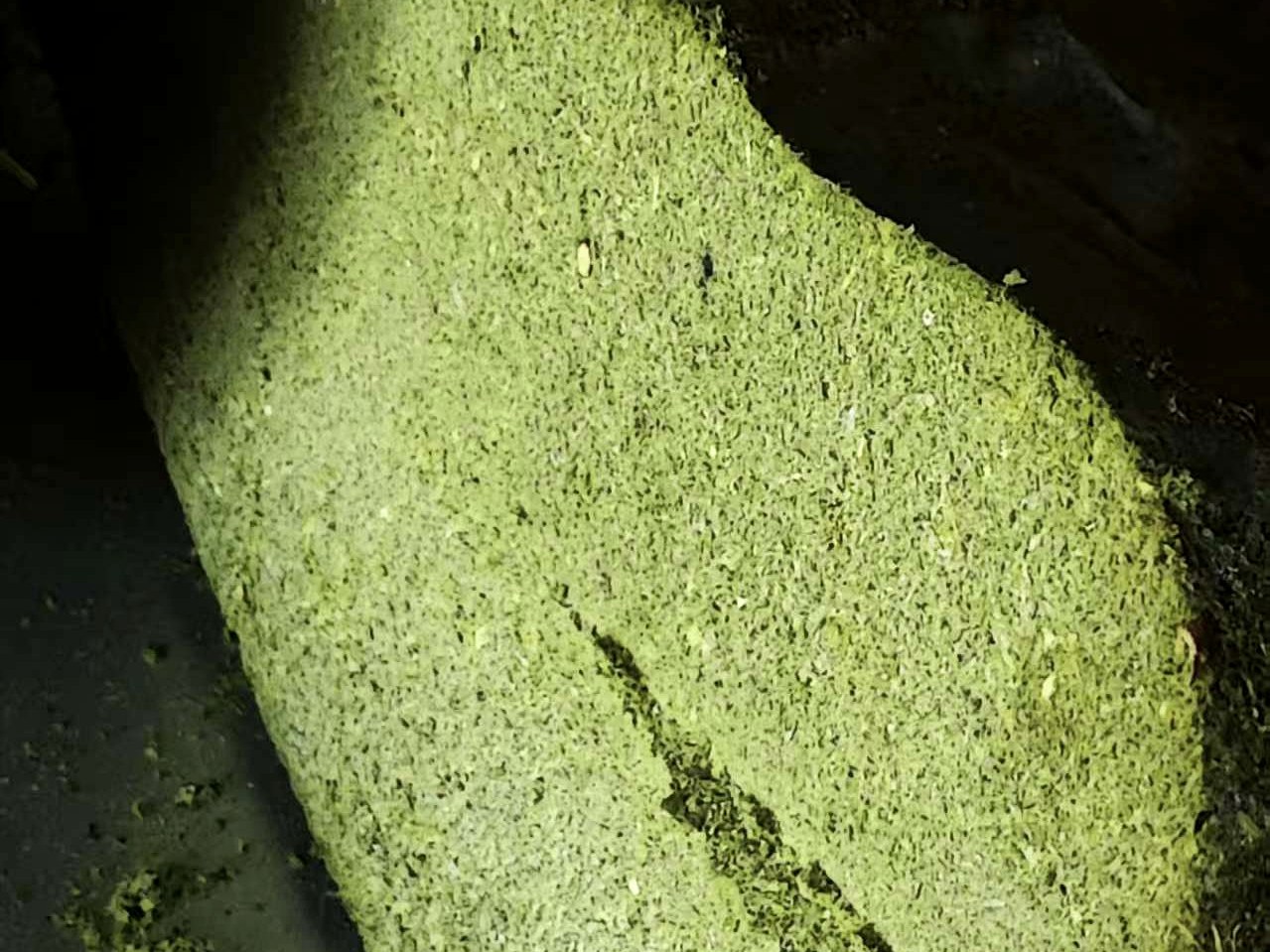
Brick cross-section and raw material inspection
02 / Fresh Locking

Compress fresh-cone flavour loss into the process.

Low-temperature fresh-lock isn't a single action — it's a chain: harvest window, step cooling, core processing, vacuum inert gas, cold-chain delivery. Together they decide whether fresh-cone quality can be delivered consistently.

01Precision HarvestLock in cone condition
02Step CoolingReduce thermal shock
03Core ProcessingCut oxidation loss
04Vacuum Inert GasControl packaging atmosphere
05Cold-Chain Delivery-18°C storage & transport
03 / Organic Trust

Organic is the starting point of trust.

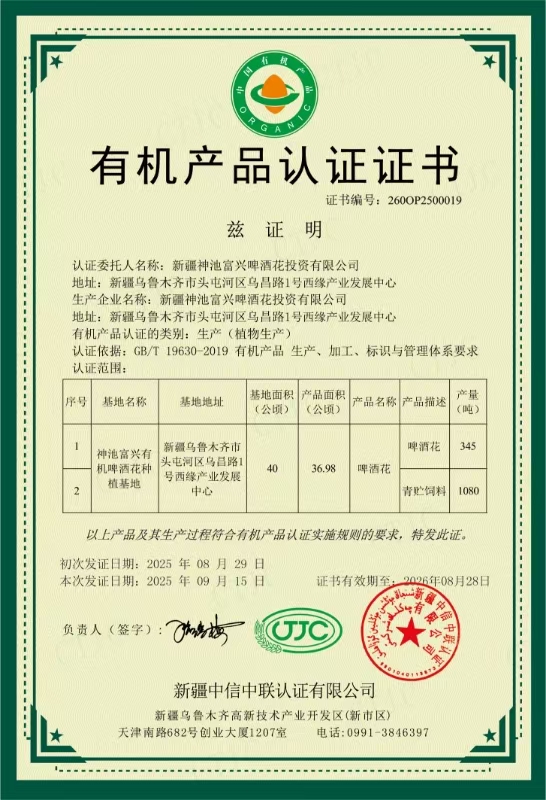
Certification pages are no longer pasted as oversized slide screenshots — they're placed into more restrained evidence cards. Once high-resolution certificates are available, they can be replaced with zoomable certificate detail and batch materials.

Request Testing & Certification Materials
Organic Product Certification

Organic Product Certification · COA · Batch Traceability

Test samples first,
then decide on scale.

Share your target product, beer style, expected volume, and delivery city — we align on samples, COA specs, cold-chain, and pricing.

Batch Testing & Traceability Fields

Each hop batch should have records covering harvest, processing, testing, storage, and delivery. Actual values follow the batch COA.

FAQ

Procurement FAQ

The most common buyer questions about low-temperature fresh-lock hops, sample testing, COA, and cold-chain delivery — answered first.

What is low-temperature fresh-lock hop?

Low-temperature fresh-lock hop is processed and stored under low temperature with cold-chain delivery, minimising the impact of heat and oxidation on hop aroma, bitterness, and freshness.

How is fresh-lock hop different from hop pellets?

Hop pellets suit regular production and stable procurement; low-temperature fresh-lock hop cone bricks emphasise preserving original fresh-cone aroma and layered character — ideal for specialty beer R&D, sample testing, and flavour upgrades.

Do you provide COA?

Batch-level testing and quality data are available on request — covering α-acid, β-acid, aroma profile, moisture, foreign matter, harvest batch, and cold-chain records. Final values follow the actual batch COA.

How can a brewery request a sample?

Use the website inquiry form to share company, contact, target product, expected volume, end use, delivery region, and timing — we then align on samples, COA specs, and pricing.

Do you support small-batch testing for craft breweries?

Yes. Craft breweries can start with sample testing or small-batch specialty beer trials, then confirm follow-on procurement based on flavour performance and production plan.

Do you support contract farming or custom cultivation?

Yes — long-term supply partnerships can be built around variety, batch, annual demand, COA specs, and delivery plan, subject to mutual agreement.