Why fresh cones, not just pellets or extract?
Conventional kiln-drying and pelletising strip away essential oils and accelerate α-acid and β-acid oxidation — flavour often turns thinner, harsher. Low-temperature fresh-lock suppresses oxidation under low temperature, sealing layered aroma and clean bitterness inside the brick.
- Fresh: preserve original cone aroma and green freshness
- Stable: reduce batch variance from heat and oxidation
- Efficient: lift raw-material utilisation, fuller wort
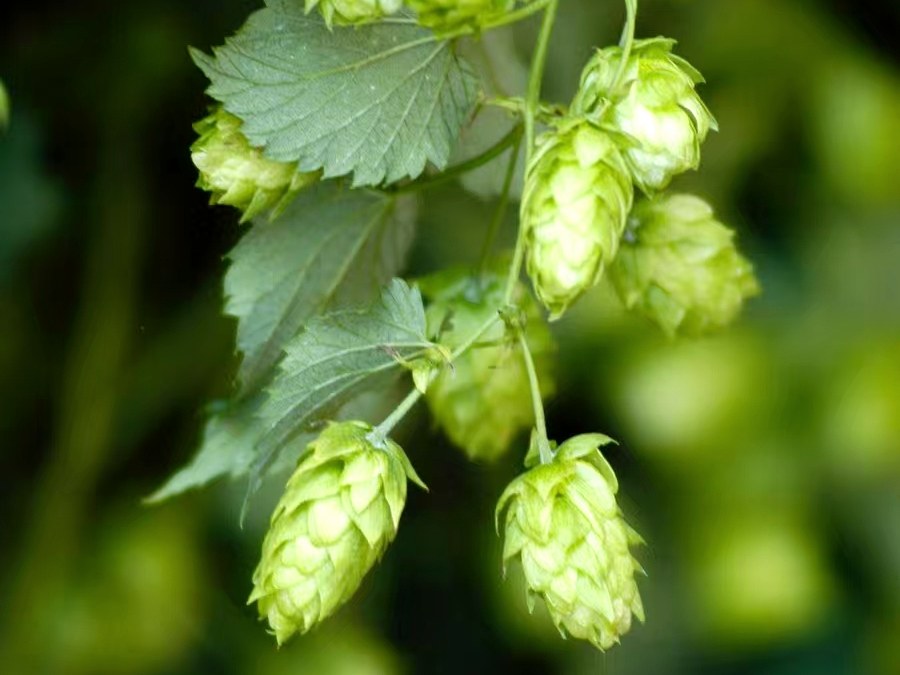

Brick Form — Built for Stable Delivery
Turning "novelty" into a unified delivery standard: standard-thickness products let brewing partners follow a standard thaw workflow for scheduled, quantitative dosing — ensuring consistent output.
Procurement FAQ
The most common buyer questions about low-temperature fresh-lock hops, sample testing, COA, and cold-chain delivery — answered first.
What is low-temperature fresh-lock hop?
Low-temperature fresh-lock hop is processed and stored under low temperature with cold-chain delivery, minimising the impact of heat and oxidation on hop aroma, bitterness, and freshness.
How is fresh-lock hop different from hop pellets?
Hop pellets suit regular production and stable procurement; low-temperature fresh-lock hop cone bricks emphasise preserving original fresh-cone aroma and layered character — ideal for specialty beer R&D, sample testing, and flavour upgrades.
Do you provide COA?
Batch-level testing and quality data are available on request — covering α-acid, β-acid, aroma profile, moisture, foreign matter, harvest batch, and cold-chain records. Final values follow the actual batch COA.
How can a brewery request a sample?
Use the website inquiry form to share company, contact, target product, expected volume, end use, delivery region, and timing — we then align on samples, COA specs, and pricing.
Do you support small-batch testing for craft breweries?
Yes. Craft breweries can start with sample testing or small-batch specialty beer trials, then confirm follow-on procurement based on flavour performance and production plan.
Do you support contract farming or custom cultivation?
Yes — long-term supply partnerships can be built around variety, batch, annual demand, COA specs, and delivery plan, subject to mutual agreement.
Next step
If you are evaluating sample hops, annual procurement, or specialty beer R&D, submit an inquiry with your volume, end use, delivery region, and timing.